What is a fractional CMO, and what do they actually do?
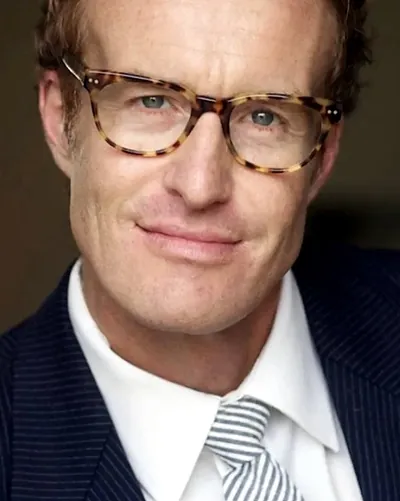 By Jay Rockliffe · Published
A fractional CMO is a senior marketing executive who runs your marketing part time, usually a few days a month, for a monthly fee instead of a full-time salary. You get the strategy, the team leadership and the accountability for results of a Chief Marketing Officer, sized to what your company can use and afford right now.
The short version
"Fractional" means you get a fraction of one person's time, not a fraction of the job. A good fractional CMO owns the whole marketing function the way a full-time CMO would. They set the plan, make the calls on budget, lead the people and vendors, and report on revenue. They just do it in fewer hours, because they bring patterns from dozens of companies instead of learning on your dime.
Most fractional CMOs work with two to four companies at once. That is the trade: you share their calendar, and in return you pay for senior judgment without the cost and risk of a full-time executive hire.
What a fractional CMO is responsible for
The job is the same five things a full-time CMO owns. Only the hours change.
- Strategy and positioning. Who you sell to, why they buy, and why they should pick you over the alternative. If this is fuzzy, every dollar below it is wasted.
- The plan and the budget. Which channels get money, how much, and what each one has to return. A real plan names the number it is accountable for.
- The team and the vendors. Your marketers, agencies, freelancers and tools. The fractional CMO hires, fires, briefs and holds them to outcomes.
- Measurement. Tracking that connects spend to pipeline and revenue, so marketing decisions are made on data, not on whoever argues loudest.
- Leadership-level alignment. Marketing at the executive table with sales, product and finance, so the whole company tells one story and chases one target.
What they usually do not do is the hands-on production: writing every post, building every campaign, running the ads account day to day. Your team or agencies do that. The fractional CMO makes sure the right work gets done, in the right order, for the right reason.
Who hires a fractional CMO
In my experience the call comes from one of four situations:
- The founder is still running marketing. Growth is capped by one person's calendar. I know that one from the inside: I founded Green Home Savers, a home energy efficiency company that was later acquired.
- Spend is up and pipeline is not. Plenty of activity, no clear line from dollars to revenue.
- A big moment is coming. A launch, a funding round, an acquisition, or a market you have not sold into before.
- There is a gap at the top. The marketing leader left, or the team is good but has no senior direction.
Companies too early for a full-time CMO get the most value. So do established companies between leaders, where an interim or fractional executive holds the line until the right permanent hire is found.
What it looks like week to week
A typical engagement runs on a simple rhythm. A planning session with leadership each month. A working session with the team each week. Clear ownership of a short list of priorities, and a report that shows what moved.
The first 30 days are diagnosis: the numbers, the customers, the team, the tools. Days 31 to 60 are fixing the foundations, usually positioning, tracking and the two or three channels that already show promise. Days 61 to 90 are scaling what works and cutting what does not. By day 90 you should be able to see marketing's contribution in your revenue, not just in a dashboard.
How it differs from an agency or a consultant
An agency executes. A consultant advises and leaves. A fractional CMO sits inside the company, owns the outcome and stays to make it happen. If you want someone to tell you what to do, hire a consultant. If you want someone accountable for the result, hire a fractional CMO.
I break down the differences between fractional, interim, part-time and outsourced CMOs in this guide.
How to tell if you need one
Ask three questions:
- Can you say, today, which marketing dollar produced which customer?
- Does marketing have a senior owner who is accountable for a revenue number?
- Is your founder or CEO still making most of the marketing decisions?
If the answers are no, no and yes, you are paying for a CMO already. You are just paying for it in lost growth instead of a monthly fee.
Questions people ask
What does fractional CMO mean?
It means a Chief Marketing Officer who works for your company part time, a set number of days or hours a month, while often serving a few other companies. You get executive-level marketing leadership without a full-time salary.
What are the responsibilities of a fractional CMO?
Strategy and positioning, the marketing plan and budget, leading the team and vendors, measurement that ties spend to revenue, and representing marketing at the leadership table. Day-to-day production is usually done by your team or agencies.
How many hours does a fractional CMO work?
It depends on the stage and the scope. Most engagements are a few days a month, with more time up front during diagnosis and planning. The right number is set by the outcome you need, not by a timesheet.
Is a fractional CMO worth it for a small company?
Usually yes, if marketing is a real lever for your growth and nobody senior owns it. The test is simple: if a better plan would add more revenue than the monthly fee costs, it pays for itself.
How long do fractional CMO engagements last?
Most run for several quarters. Some end with the fractional CMO hiring and handing off to a full-time leader, which is a good outcome, not a failure.